24H Bronx Locksmith Service Team
Local locksmith team
Apr 30, 2026 10 min read
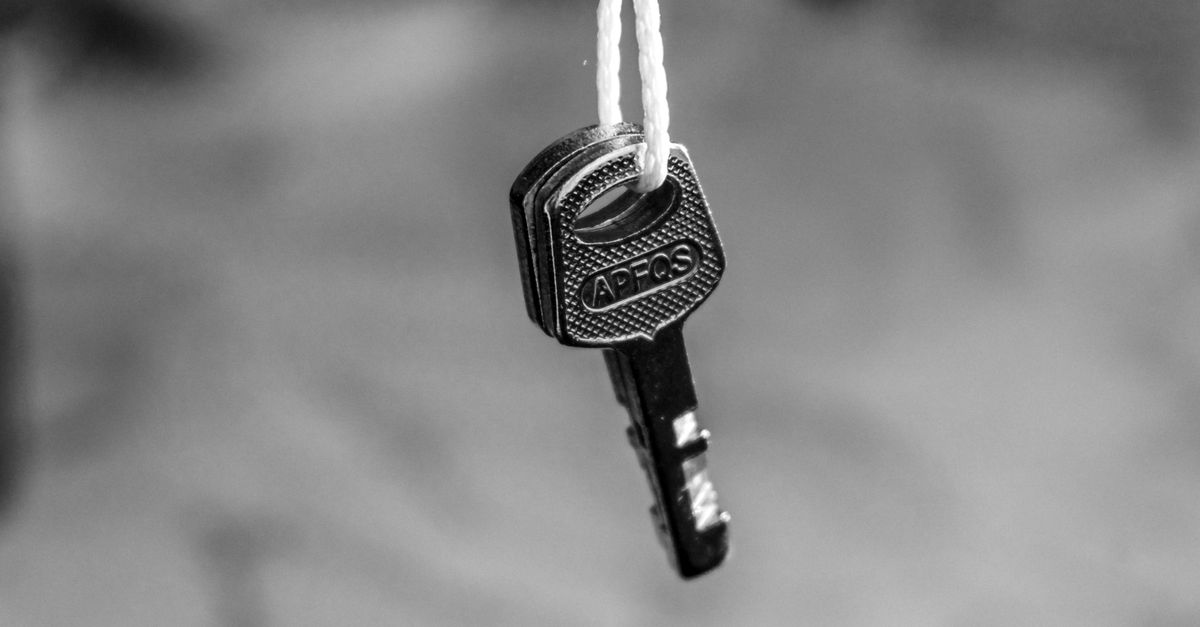
You hear a snap — and suddenly half your key is in your hand and the other half is lodged inside your front door lock or your car's ignition. It happens more often than you'd think on the streets of The Bronx, from apartment buildings along the Grand Concourse to driveways in Throggs Neck. The immediate instinct is to grab something — a fingernail, a bobby pin, a butter knife — and yank. That instinct will almost certainly make things worse, and this article explains exactly why, what actually causes keys to break, and what a trained locksmith does to extract a broken key without destroying your lock.
Whether you're dealing with a mortise lock on a Bronx brownstone, a door knob lock on a rental unit, or an ignition cylinder in your car, the principles are the same: the wrong move in the next five minutes can turn a straightforward extraction into a full lock replacement. Here's everything you need to know before you touch that broken key — and what to do instead.
## Why Keys Snap in the First Place — and Why The Bronx Conditions Make It Worse
Keys are not indestructible. Most house and car keys are cut from brass or nickel-silver alloy — metals that flex slightly every single time you insert and turn the key. Over months and years, tiny stress fractures develop at the key's shoulder, the thin section just inside the keyway. You usually can't see these cracks forming. Then one cold January morning in Pelham Bay or one humid August afternoon in Mott Haven, you turn the key with slightly more force than usual — maybe the lock cylinder is stiff, maybe you're in a hurry — and the metal gives way. Cold temperatures make metal more brittle, and The Bronx's winters are hard on both locks and keys. Heat and humidity cause wooden door frames to swell, putting the bolt under pressure so you have to force the key to turn, accelerating wear. Ignition locks are equally vulnerable: years of a heavy keychain swinging and vibrating gradually loosens the cylinder tumblers, creating a stiffer turn that demands more torque and invites breakage.
There are also lock-side causes. A mortise lock — the rectangular cartridge found in older Bronx apartment doors and commercial storefronts — has a more complex internal mechanism than a standard door knob lock. If the mortise lock case hasn't been lubricated or serviced in years, the tumblers and cam can bind, requiring extra rotational force. That extra force is almost always taken by the weakest link: your key's blade. Understanding this chain of cause and effect matters because it tells you something important — if your key broke because the lock itself was stiff, sticky, or worn, extraction alone may not solve the underlying problem. A qualified locksmith will assess the cylinder condition after the key is out.
## What Happens When You Try to Yank the Broken Key Yourself
The broken portion of a key sits inside the keyway pressed against the lock's pin tumblers or wafer springs. The moment you apply sideways or outward force with an improvised tool — a knife blade, a wire, even needle-nose pliers — you risk pushing the fragment deeper into the cylinder rather than drawing it out. You also risk bending the pins inside the lock, scratching the keyway walls, or snapping your improvised tool inside the cylinder on top of the broken key. At that point, what started as a straightforward extraction becomes a partial or total cylinder replacement. In an ignition lock, the stakes are even higher: the cylinder sits inside a steering column housing, and jamming debris further in can damage the wafer stack to the point where a replacement cylinder must be coded to your vehicle — a more involved and more costly repair than a simple extraction.
Pliers are another common mistake. When a sliver of key is visible at the keyway entrance, people naturally reach for pliers. But keyway profiles — especially on high-security locks and mortise locks — are narrow and irregularly shaped. Pliers can crush the key fragment, fragmenting it further into pieces too small to grip, and can score the soft brass of the keyway collar. The rule of thumb from experienced locksmiths is simple: if you cannot grasp the broken key with your fingertips alone and pull it straight out cleanly, stop. Every subsequent attempt with an improvised tool statistically increases the total repair cost and time.
## How a Professional Locksmith Extracts a Broken Key Safely — Mortise Lock, Door Knob Lock, and Ignition
A trained locksmith arrives with a set of purpose-built broken-key extractors — thin, hooked tools specifically engineered to slide alongside a key fragment and hook the key's serrations, then draw it straight out along the keyway's axis. For a standard door knob lock or deadbolt, the process often takes just a few minutes: the extractor is inserted, tension is released from the cylinder (this is critical — rotating the cylinder to the wrong position makes extraction nearly impossible), the hook engages a cut in the blade, and the fragment slides free. The cylinder is then inspected for pin damage and lubricated.
Mortise lock extraction requires additional knowledge because the cylinder in a mortise lock is threaded into a larger case and the keyway orientation matters for clearing the tumblers. An experienced locksmith serving commercial and residential buildings across The Bronx understands that older mortise lock hardware — common in pre-war buildings along Fordham Road and in the South Bronx — sometimes uses uncommon keyway profiles that demand specific extractor sizes. After the broken key is removed, the locksmith will check whether the mortise lock case itself needs servicing, re-keying, or replacement. For ignition extractions, the column must be accessed correctly so that no wafers are displaced — skilled locksmiths use illumination and precision picks to confirm fragment position before attempting removal. If you're stuck on a Bronx street or parking lot and need help right now, call 718-878-5183 — our mobile team is available around the clock and can come directly to your location.
## After the Key Is Out — What Comes Next and When to Change the Lock
Extraction is the first step, but it's worth having a real conversation about what happens next. If the key broke because the lock cylinder was already worn, binding, or improperly lubricated, you'll likely face the same problem again with a new key copy. A professional locksmith will test the cylinder's rotation, check the spring tension on each pin stack, and tell you honestly whether the cylinder is serviceable or should be replaced. In many cases, a re-key — replacing the pins so the lock works with a new key — is all that's needed. In other cases, especially with aging mortise lock hardware, a full cylinder or case replacement makes more sense long-term.
Drivers sometimes ask whether they need to change the lock on their vehicle after a broken key extraction. The answer depends on the condition of the ignition wafers. If the wafers are intact and the cylinder turns smoothly with a new key, no further work is required. If wafers were displaced or bent during the incident, the ignition cylinder should be replaced and coded to the vehicle. Homeowners in rental units sometimes ask, 'Can I change the lock on my apartment after something like this?' — the answer is yes, with your landlord's involvement and approval in most lease situations. Whether you're thinking about how to change the lock on a door knob, how to change the lock on a sliding glass door, or how to change the lock code on a digital entry, our team can walk you through the right option for your specific door and hardware. We confirm an exact up-front price before any work begins — the final quote depends on the lock type, the hardware needed, and your location in The Bronx.
## Preventing Broken Keys — Practical Habits That Actually Work
Prevention is simpler than most people expect. First, replace keys that are visibly bent, heavily scratched along the blade, or more than a few years old if used multiple times daily. A key copy costs very little compared to an emergency extraction call at 2 a.m. Second, lubricate your locks at least once a year — dry graphite powder is ideal for pin-tumbler locks and mortise locks; avoid oil-based lubricants that attract dirt and gum up the cylinder over time. Third, never use your key as a lever. If your door sticks because of frame swelling, address the door alignment — don't solve it by forcing the key. The same logic applies to your car: if the steering wheel is locked hard against the column, gently rock the wheel while turning the ignition key, but never apply sudden rotational force to the key alone.
Finally, keep a spare key with a trusted neighbor or family member rather than hidden under a doormat or in a magnetic box — common hiding spots that are well-known to opportunists. If you live in a Bronx building with a mortise lock or a door knob lock that's been there since the building was constructed decades ago, ask a locksmith to inspect it during a non-emergency visit. Many broken-key incidents are entirely predictable from a quick look at cylinder wear. Our team handles everything from routine lock inspections and re-keys to full commercial locksmith work for storefronts and office buildings throughout The Bronx. When you need an emergency locksmith at any hour — whether it's a snapped key, a lockout, or a lock that needs to be changed after a break-in — call 718-878-5183 and we'll send a mobile technician to you directly.
Frequently asked questions
How much is a locksmith in the Bronx for a broken key extraction?+
There is no single flat rate because the final price depends on several factors: the type of lock involved (a standard door knob lock, a mortise lock, or a vehicle ignition cylinder), the time of day the call is placed, where in The Bronx you are located relative to our mobile unit, and whether any additional parts — such as a new cylinder or keys — are needed after extraction. What we always do before touching anything is give you an exact up-front quote so there are no surprises. Call 718-878-5183 for a real-time estimate based on your specific situation.
What is a locksmith call out fee, and will I be charged one in the Bronx?+
A call out fee — sometimes called a service or dispatch fee — covers the cost of a locksmith traveling to your location. Whether a separate call out fee applies, and how it factors into your overall quote, depends on the provider and the specifics of the job. At 24H Bronx Locksmith, we explain every component of the price before work begins, so you always know exactly what you are agreeing to. There are no hidden charges added after the fact.
Who is the best locksmith near me in Bronx, NY for an emergency at night?+
The honest answer is that the best locksmith for your situation is one who is genuinely available when you need them, arrives with the right tools for your specific lock type, and gives you a clear price before starting. Ask any locksmith whether they carry extractor sets for mortise locks and ignition cylinders, whether they are insured, and whether the quote you receive is the final price. Our team at 24H Bronx Locksmith is mobile, insured, and available 24 hours a day, 7 days a week — including holidays — across all Bronx neighborhoods. Call 718-878-5183 any time.
What is the lock on a door knob called, and does it affect how a broken key is removed?+
The cylinder inside a door knob lock is called a pin-tumbler cylinder (or sometimes a mortise cylinder when it screws into a separate lock case). The specific cylinder profile and the keyway shape directly affect how a locksmith extracts a broken key — different keyways require different extractor hook sizes and insertion angles. This is one reason improvised home extraction so often fails: without the correct tool for the specific keyway, you're working blind. A trained locksmith identifies the cylinder type on arrival and selects the right extractor before attempting removal, keeping both the key fragment and the lock intact.