What Is a Mortise Lock and Why Bronx Doors Demand Them
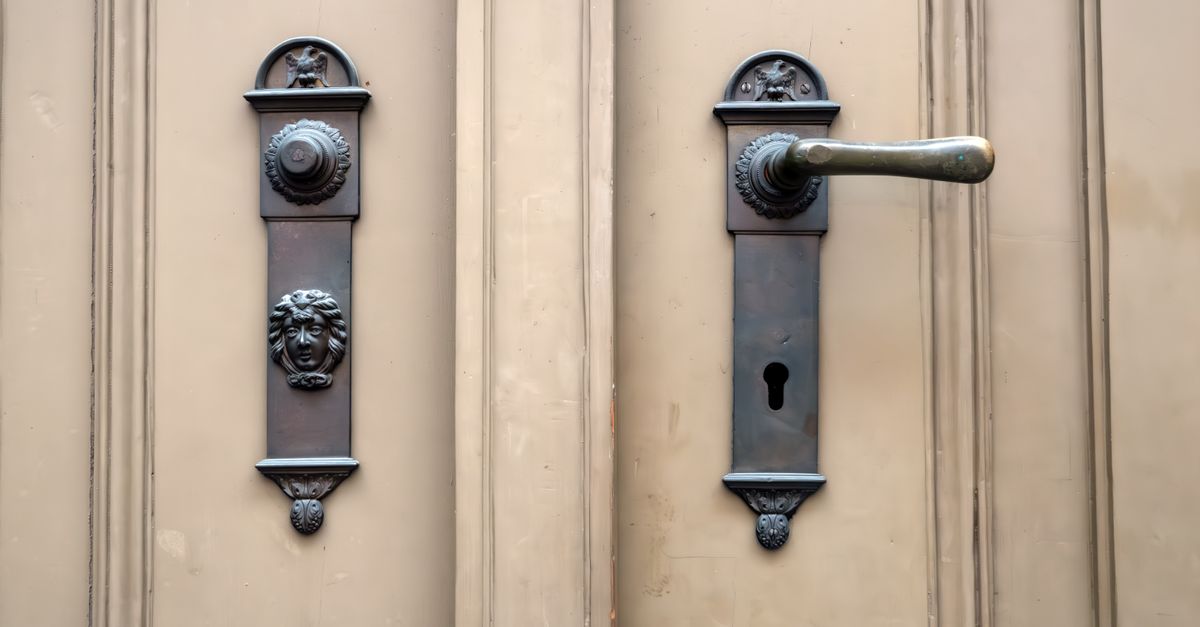
A mortise lock is a complete locking mechanism housed inside a pocket — the mortise — that is routed directly into the edge of the door. Unlike a cylindrical bored lock that sits in a single round hole, a mortise lock set integrates a spring latchbolt for everyday closure, a deadbolt for security, and often a passage or privacy function into one unified case. The exterior trim — knob, lever, or handleset — passes through the case and connects to the internal cam. This construction distributes stress across the full door thickness rather than concentrating it at a small bore, which is exactly why architects specified mortise hardware on the solid-core wood and hollow-metal doors found throughout Bronx housing stock built between the 1920s and 1970s.
On a mortise lock set exterior door, the deeper mortise pocket also creates far more resistance to kick-in and spreading attacks than a surface-mounted lock can offer. For commercial locksmith work — think storefront doors on White Plains Road or rear exit doors on industrial parcels in Hunts Point — that added structural integrity is not optional, it is code-relevant. Our technicians understand the difference between ANSI Grade 1, Grade 2, and Grade 3 hardware, and we help building owners select a mortise lock set rated appropriately for the traffic and risk level of each opening.